
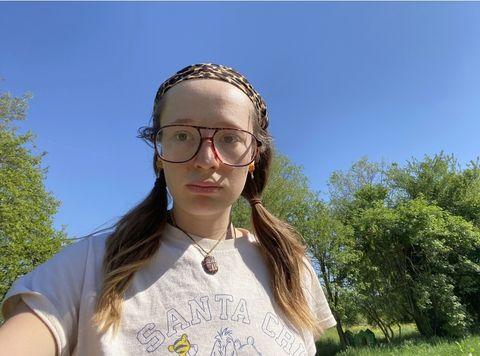
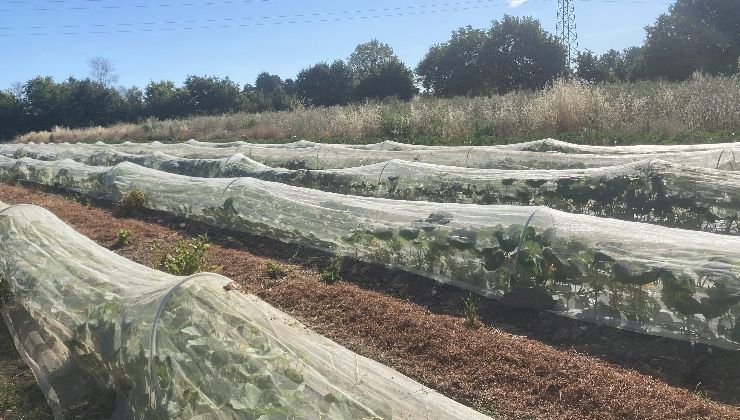
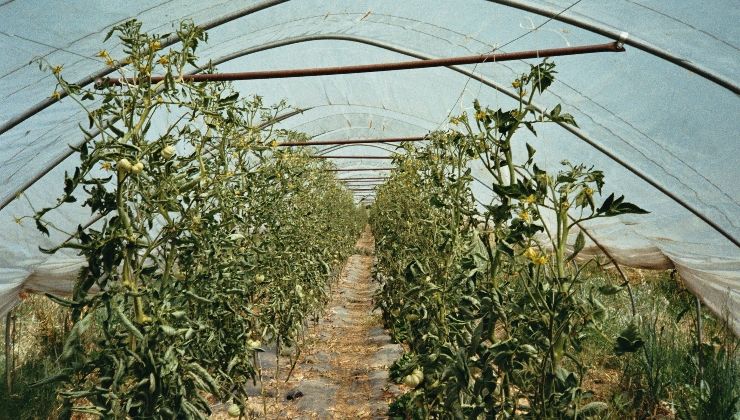
During my internship at an agroecological Community Supported Agriculture (CSA) cooperative in Italy, I participated in daily farming operations and community outreach. My primary responsibility was harvesting produce weekly for cooperative members and cultivating crops such as tomatoes, peppers, cucumbers, squash, fennel, and kale. I practiced regional cultivation methods, including pruning hoop-house tomatoes to a single leader and building covered field rows for natural pest management and climate regulation. In addition to fieldwork, I hand-painted signage for public picnic areas and produce pickup points, and I engaged with visitors about agroecology and ecological activism during community workdays and festivals. To connect my field experience with my academic studies, I conducted research on the cooperative's structure and interviewed farmers to evaluate how location-based solutions and alternative economic frameworks, such as solidarity farming and community economies, sustain agroecological models in Italy compared with the campus farm at UC Santa Cruz.
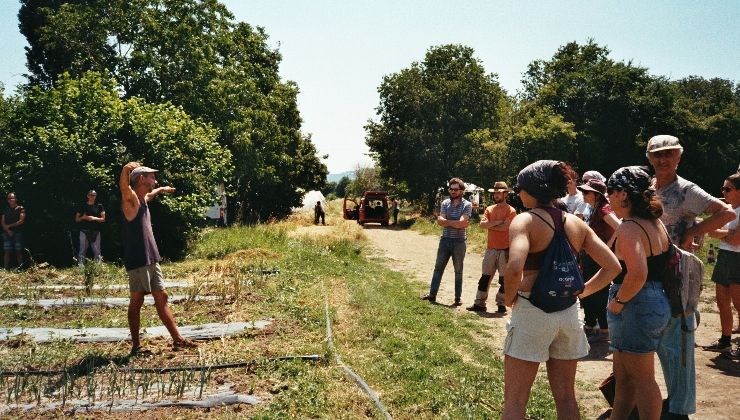


Interning on a community farm in Italy gave me a clear, realistic perspective on the possibilities and challenges of sustainable agriculture. Working alongside dedicated farmers showed me that agroecology is about more than cultivation techniques; it depends on alternative economic models and structural support to survive outside conventional markets. Communicating across a language barrier pushed me to become more observant, patient, and reflective as I worked with the earth. Living and working abroad helped me build genuine independence and self-confidence, confirming my commitment to advocate for local food systems, sustainable farming practices, and community land stewardship.
Skyla Frauenheim