
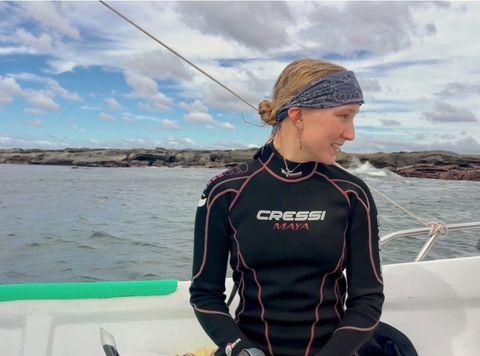
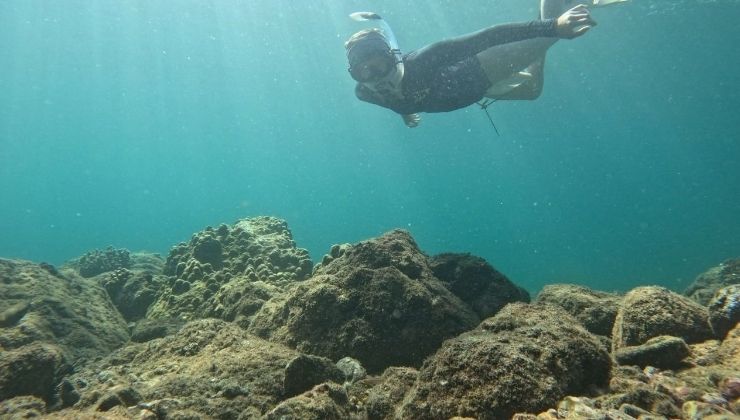
Monica evaluated how human presence affects marine observations by comparing fish richness and abundance with and without a snorkeler present. Using remote underwater video across six sites near Cuajiniquil, Costa Rica, she tested whether common direct observation methods, such as snorkeler surveys, skew visual data due to predator-avoidance behavior. Her findings revealed that overall species richness significantly decreased when a snorkeler was present, with four specific species and three families showing notable reductions in abundance. Ultimately, her project highlights key methodological biases in direct underwater visual censuses, suggesting that snorkeling may have distinct limitations when assessing certain fish populations.
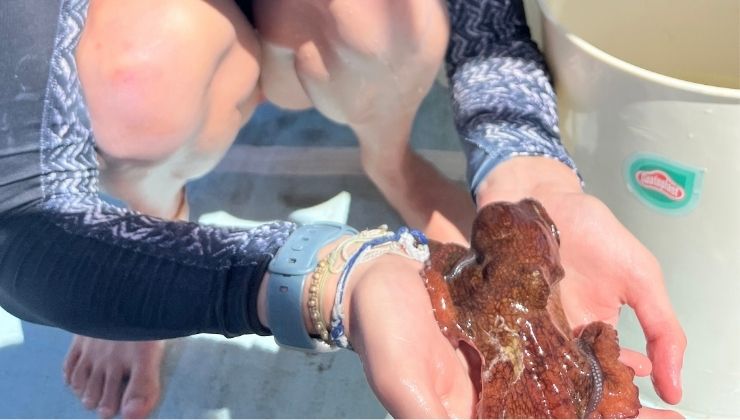
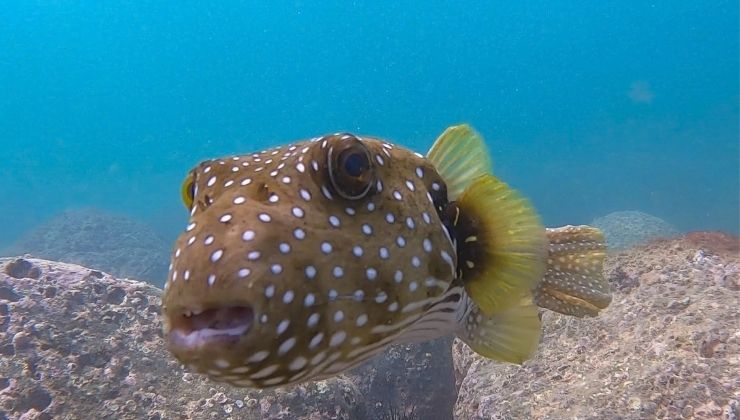
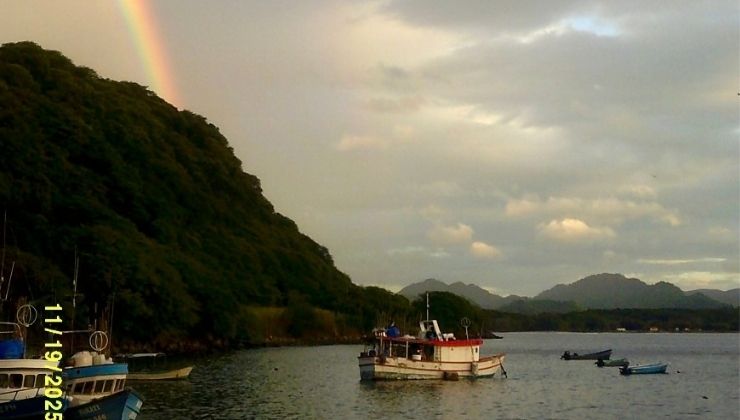
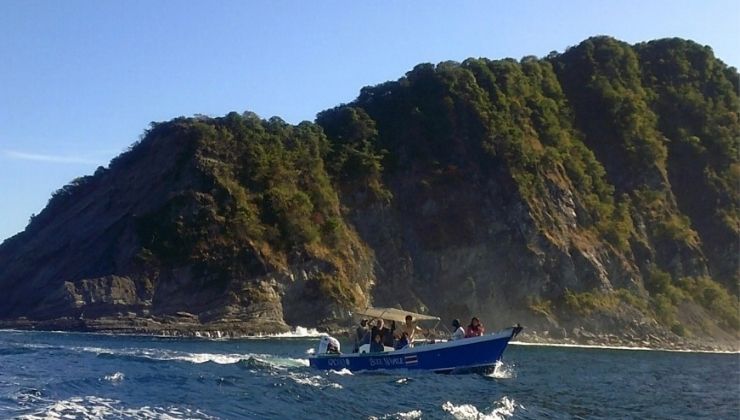
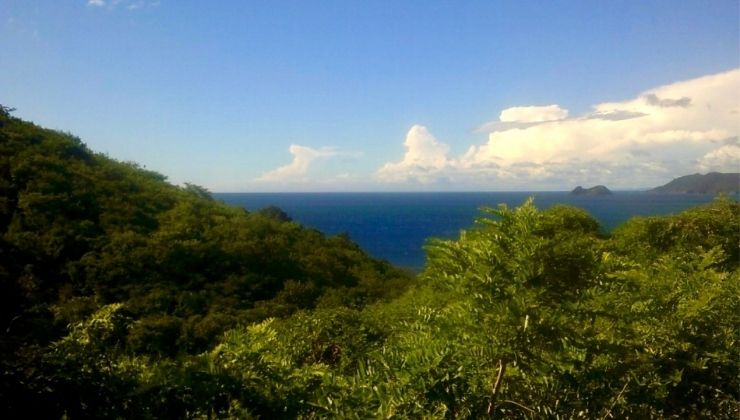
Conducting research abroad allowed me to explore ecosystems and cultures in ways I simply could not have at home. The Tropical Biology program provided the mentors, structure, and field resources I needed to pursue an independent project, but being immersed in a new environment also built my confidence and sparked my curiosity. Living abroad came with unexpected challenges, from itchy jellyfish stings and noisy roosters to spotty Wi-Fi and language miscommunications. Navigating those daily hurdles strengthened my resilience and showed me I could handle the demands of field research. For every tough moment, there were far more incredible ones: connecting with locals in Spanish, discovering incredible wildlife, bonding with my cohort, and taking deep pride in my work. It was both more demanding and more rewarding than I imagined, and the entire experience transformed how I approach science.
Monica Ballas