
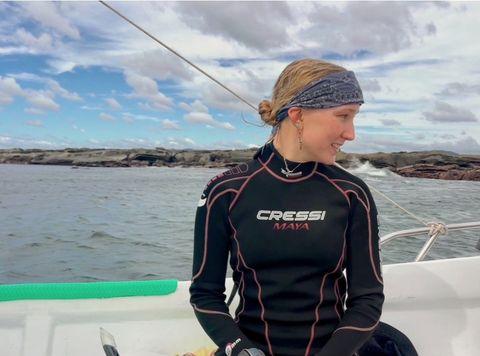
Snorkeler surveys and other forms of underwater visual censuses are often used in marine research; however, they may be inaccurate when studying fish, as the presence of a human can cause fish to leave the area or hide due to predator-avoidance behavior. In this study, the researcher used remote underwater video to compare fish species richness and abundances between ten-minute treatments with and without a snorkeler present. Conducted at six sites near Cuajiniquil, Costa Rica in November 2025, the study found that species richness significantly decreased in the presence of a snorkeler. Across all species and trials, differences in abundance between control and snorkeler trials were significantly different from zero, with more species encounters showing greater abundance in the control treatment. However, there was no evidence that the presence of snorkellers consistently predicted reduced abundance across all species. After analyzing individual fish groupings, the researcher found four species and three families with significant reductions in abundance in the presence of a snorkeler. This study reveals biases of snorkeling as a research method for fish studies, informs future research of what discrepancies in fish richness and abundance might occur with snorkelers present, and suggests that snorkeling may have limitations for studying some types of fish.
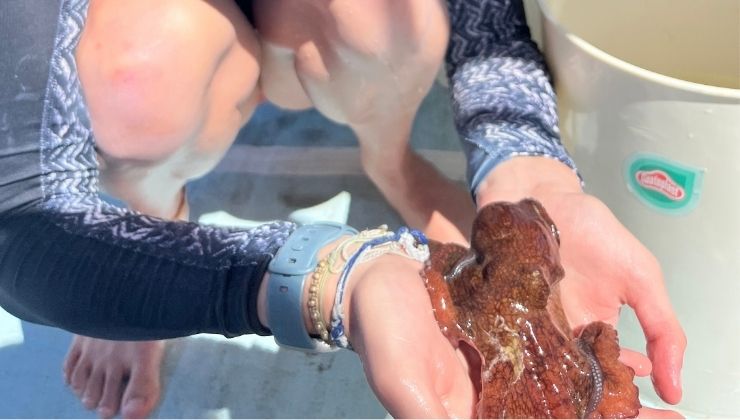
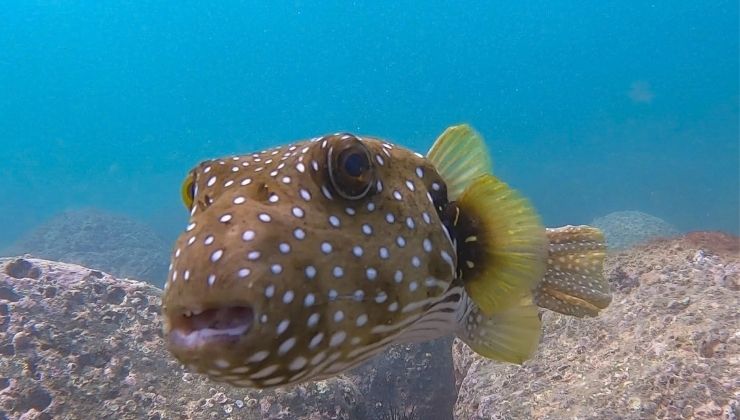
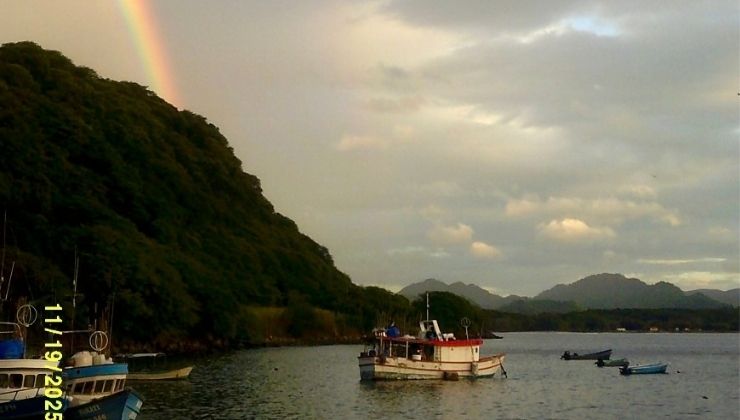
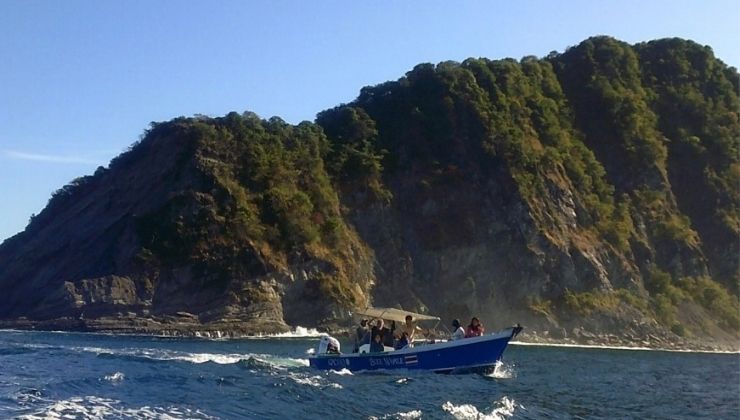
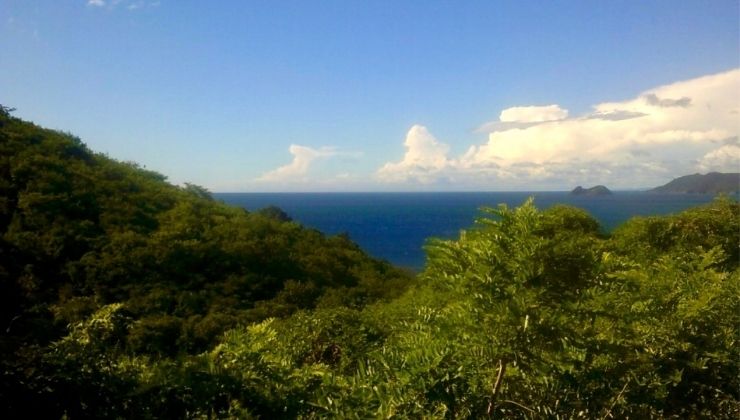
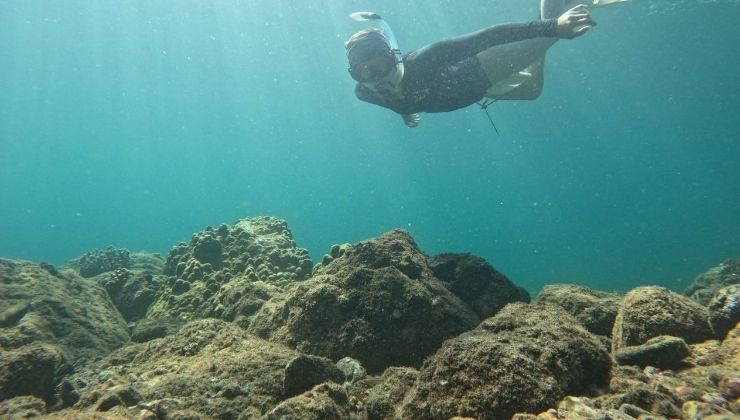
Working on this project was the best experiential learning opportunity in biological research, allowing an ecosystem observation to turn into an independent research question, hands-on field testing, and final findings. Beyond strengthening scientific skills, the research was also the most culturally immersive part of the experience, collaborating with local boat captains daily, living with a host mom, and gaining a deep appreciation for the community’s connection to the marine environment. Designing and conducting the study on-site taught far more about research than a classroom ever could, building resilience, scientific independence, and lasting confidence.
Monica Elise Ballas