About Monterrey
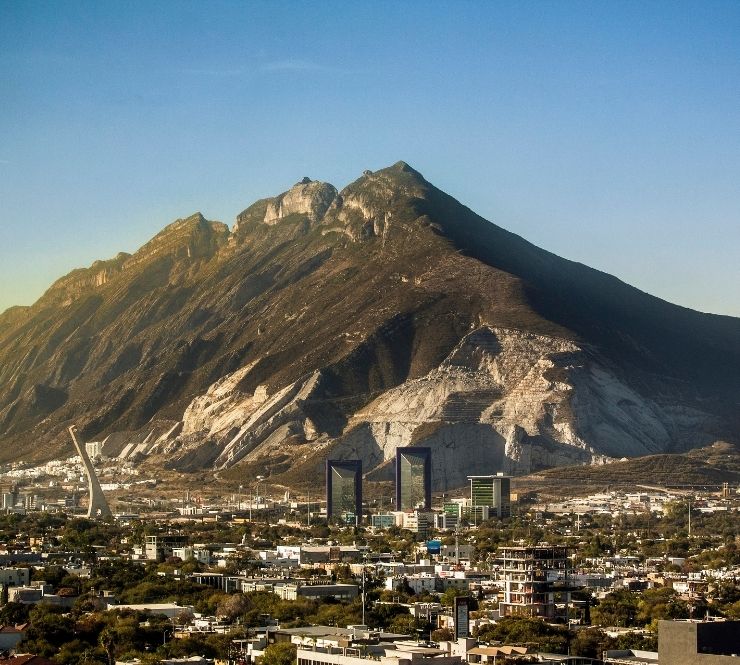
Monterrey, the capital of the northeastern Mexican state of Nuevo Leon, is a bustling industrial city and technological hub. Set against the scenic backdrop of Mount Silla, the surrounding area offers striking natural landscapes and countless excursions for outdoor adventurers. The city’s famous museums, plazas, innovative architecture, and charming old neighborhoods are sure to immerse city goers in its lively, authentic, and passionate spirit. With Monterrey’s renowned universities, thriving businesses, and warm climate, it remains a key destination for students, tourists, and entrepreneurs alike.
Where is Monterrey
25.841921351955, -100.28749465942
What to do in Monterrey
- Macroplaza: One of the largest public squares in the world, the Macroplaza’s lush gardens, historic monuments, and iconic landmarks—such as the Metropolitan Cathedral—are sure to take your breath away.
- Paseo Santa Lucia: Boat along this picturesque riverwalk that connects the Macroplaza to the Fundidora Park, and enjoy the green spaces and public art installations.
- MARCO: Spend a day at the Museo de Arte Contemporáneo de Monterrey (MARCO), renowned for its impressive collection of contemporary art and striking architectural design.
- Barrio Antiguo: Explore this historic district, known for its charming cobblestone streets, colonial architecture, and vibrant nightlife.
- Museo del Dulce: Designed to look like a 19th-century home, the whimsical Museum of Sweets not only offers a history of regional sweets, but also the chance to see and taste their unique ingredients.
Media Gallery
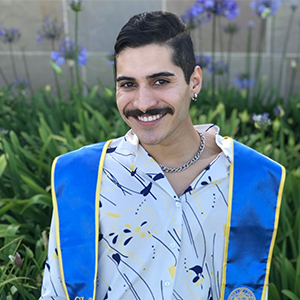
I believe it is crucial and increasingly urgent that we study indigenous ways of knowing and further develop the field of Native American studies to preserve ancient knowledge systems. My experience studying abroad in Mexico City directly related to my coursework. It provided me the opportunity to practice two languages (Spanish and Native Mexican Nahuatl) and develop my research skills in preparation for graduate school.
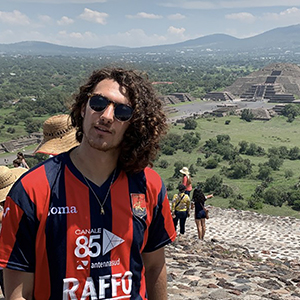
Conducting research abroad has helped me reach my career goals as a socially engaged social science researcher. Developing connections with professors at UNAM while conducting bibliographical research entirely in Spanish expanded my capacity to contribute to scholarly debates with a transnational perspective. Staying in Mexico City for an entire year allowed me to develop strong relationships, not just academically, but also with civil society organizations working around my areas of concern.