About The Program
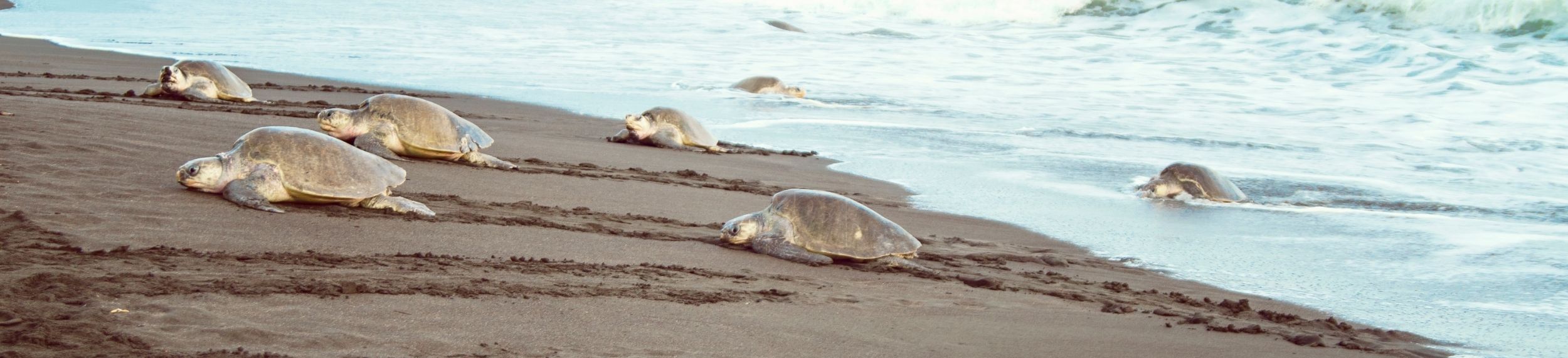
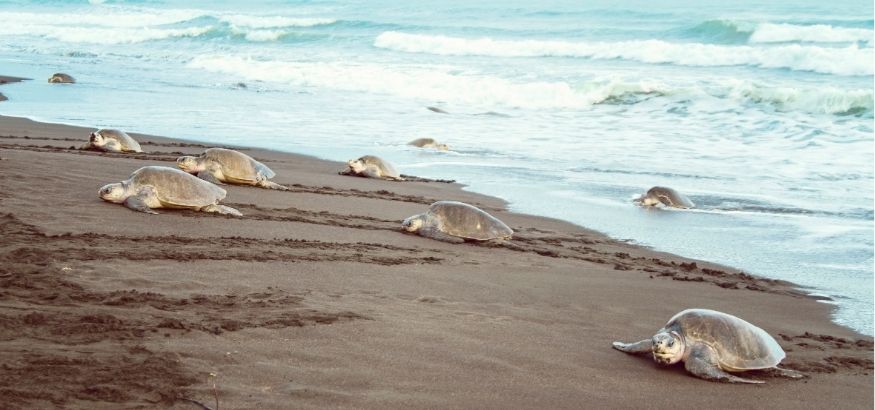
Develop your field research skills while studying marine conservation in Costa Rica's coastal ecosystems. Designed for students in the biological sciences and environmental studies, this program combines scientific training with hands-on research focused on sea turtles and the habitats they depend on. Working alongside researchers, you'll gain experience with field methods used to monitor marine wildlife, collect ecological data, and contribute to ongoing conservation efforts. Learning extends beyond lectures as you apply concepts from biology, ecology, and conservation science in the field. Through direct observation, research activities, and immersion in Costa Rica's coastal environments, you'll examine the ecological relationships that shape marine ecosystems while exploring the challenges of protecting a threatened species. Whether you're preparing for research, graduate study, or a career in conservation, you'll leave with practical field experience and a deeper understanding of marine science in action.
WHERE YOU'LL STUDY
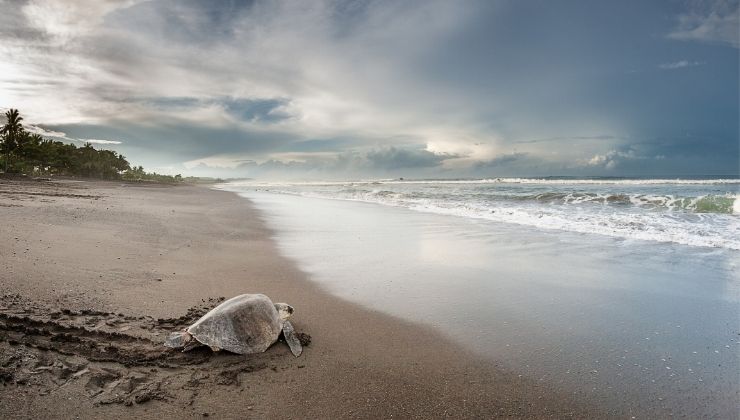
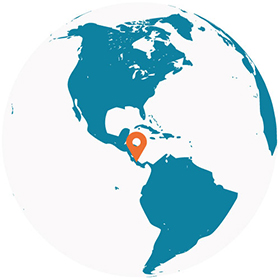
You'll study at BIOMA's research field station in Costa Rica, where learning takes place in protected coastal ecosystems rather than a traditional classroom. Depending on the season and research activities, you'll work at one of several field sites that support sea turtle conservation, including nationally protected wildlife refuges and coastal reserves. These locations place students within walking distance of nesting beaches, providing direct access to the habitats they study. BIOMA's field program emphasizes experiential learning through scientific observation, data collection, and conservation fieldwork. Working alongside researchers and local conservation partners, you'll gain experience with marine field techniques while learning about the ecological and social factors that shape sea turtle conservation. Living and studying in coastal communities also provides opportunities to learn how local residents, researchers, and conservation organizations work together to protect marine ecosystems.
Media Gallery