About The Program
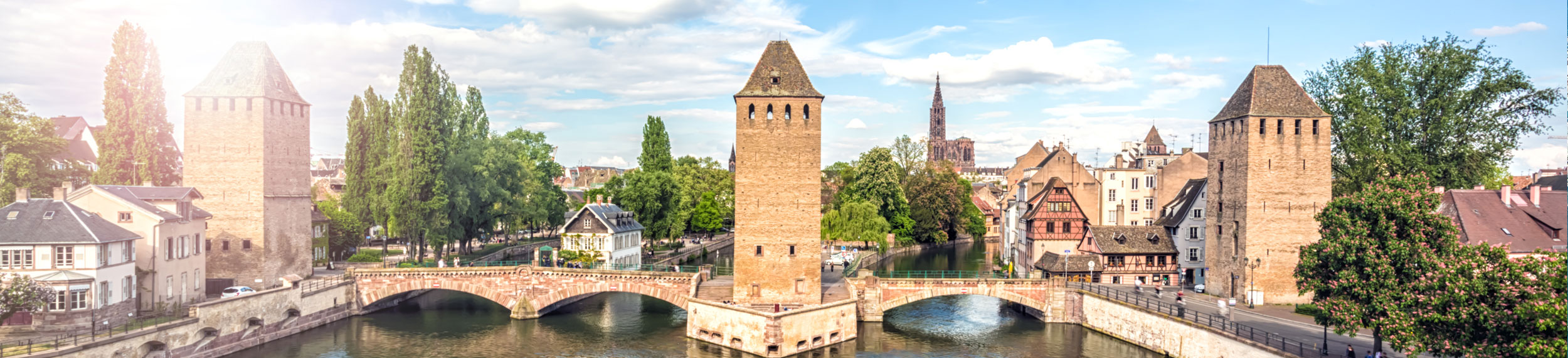
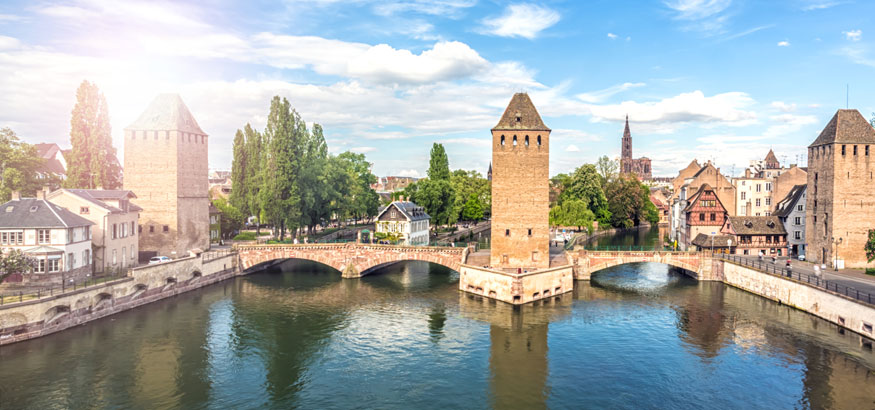
Work directly with local faculty to produce a specific research project linked to your major or interests. After 5 weeks of coursework, cross academic borders and work with international professionals to gain valuable skills for your career or graduate studies. A 12-week internship with an organization that can support your research could have you working with an open-source development team, building sets for a theater company, or researching treatments for bipolar disorder. At the end of the program, you’ll have a published research paper, distinguishing you from your peers. After work, explore Strasbourg’s monuments, take a tour of the Council of Europe, kayak the city’s waterways.
Where you'll study
You’ll take courses through the Institute for Field Education (IFE), whose faculty and local professional networks support the program’s coursework, research advising, and internship placements. Small class settings encourage collaborative learning and close contact with instructors as you prepare for your field research project and transition into your internship. Each location provides a central base for coursework and connects you with the organizations, institutions, and communities that shape professional life in that city.
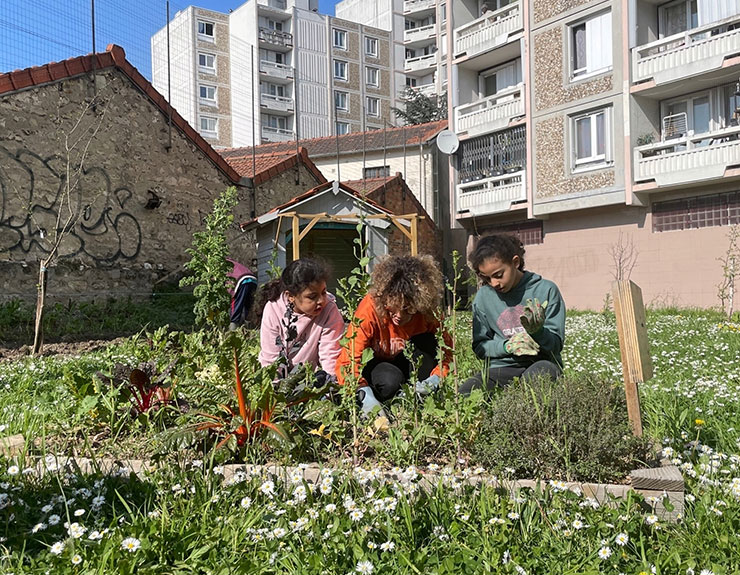
Marseille: Courses meet at the Tiers-Lab des Transitions, a renovated former farm set within a lush park. This collaborative hub brings together organizations and projects focused on education, culture, and environmental sustainability. The facility includes coworking areas, offices, training rooms, and a canteen. Studying in Marseille places you in a Mediterranean port city shaped by migration, trade, and a long history of connections across the region.
Paris: The IFE Center is on a side street near Rue du Faubourg Saint-Antoine, situated between the 11th and 12th arrondissements. The surrounding Faubourg district is a diverse neighborhood where traditional workshops and markets mix with cafés, galleries, and startups. Classes meet on the refurbished ground floor of an older Paris building that includes computer access, spaces for studying and collaborative work, and a kitchen.
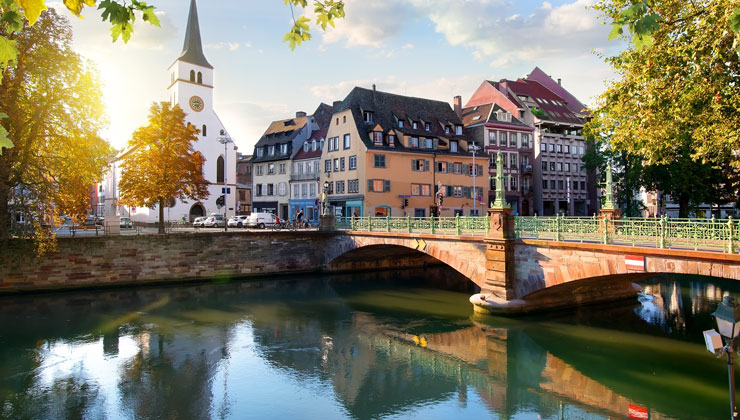
Strasbourg: The IFE Center is in the Krutenau neighborhood, an area near the city center and cathedral known for its central canal and green spaces. Studying here places you at the seat of the European Parliament and several international institutions on the border of France and Germany. Classes meet on the renovated ground floor of a historic building that features computer labs, study areas, and an equipped kitchen.
Media Gallery
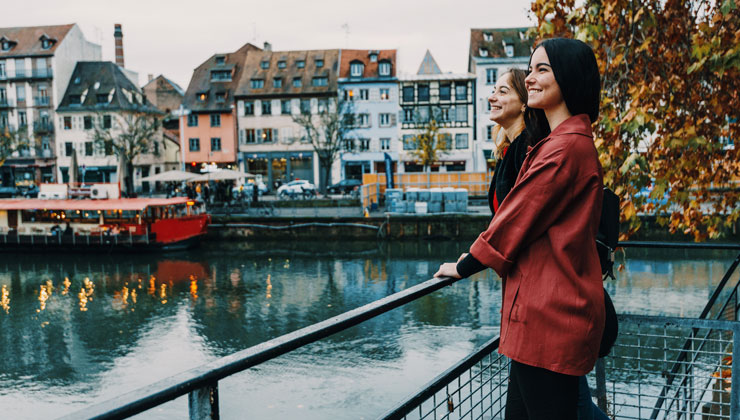
TRIPS AND ACTIVITIES
The study center arranges field trips and activities to introduce the local culture and special features of your host country. There may be other optional excursions, which you can explore after arrival.
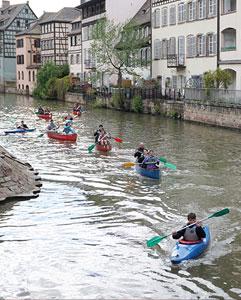
Kayak the Strasbourg waterways
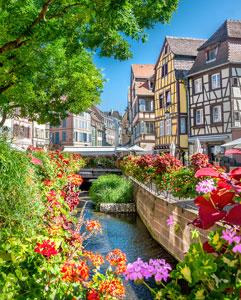
Day trips to popular French towns like Reims, Colmar, and Nancy
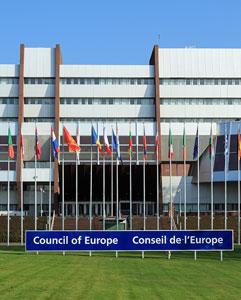
Tour the Council of Europe human rights center
From The Californian Abroad
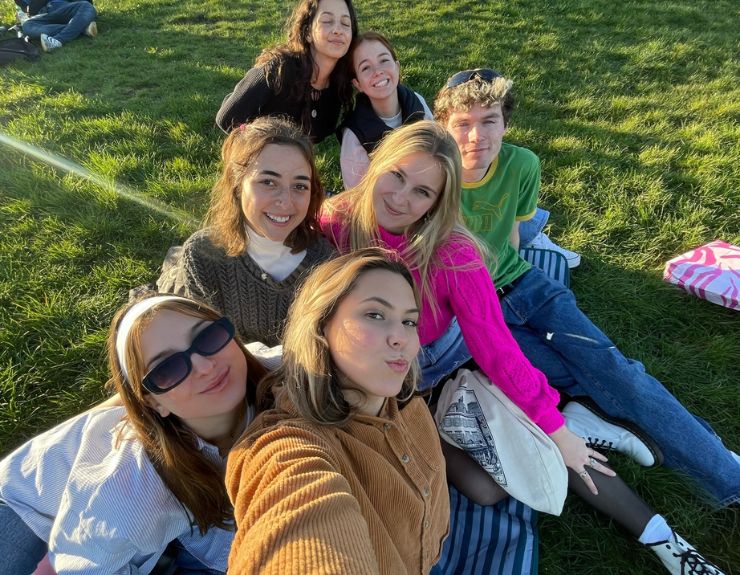

My goal is to contribute to climate crisis research, and I specifically chose a study abroad program where I would not be surrounded by my California peers. I wanted an opportunity to step outside my comfort zone. Working in France pushed me to grow in French language proficiency and effective communication. I grew in ways that I never would have if I stayed in America—I gained confidence in my ability to succeed and make an impact in science.
Studying abroad pushed me far beyond my comfort zone. I never imagined living alone in a foreign country, navigating daily life in my fourth language. What made the experience especially meaningful was the personal connection to my research: my aunt’s diagnosis with Parkinson’s inspired me to focus on better tools for understanding neurodegenerative diseases. Combining this motivation with my interests in computer science and data modeling showed me that I want to continue bridging technology and healthcare, especially for underserved communities.